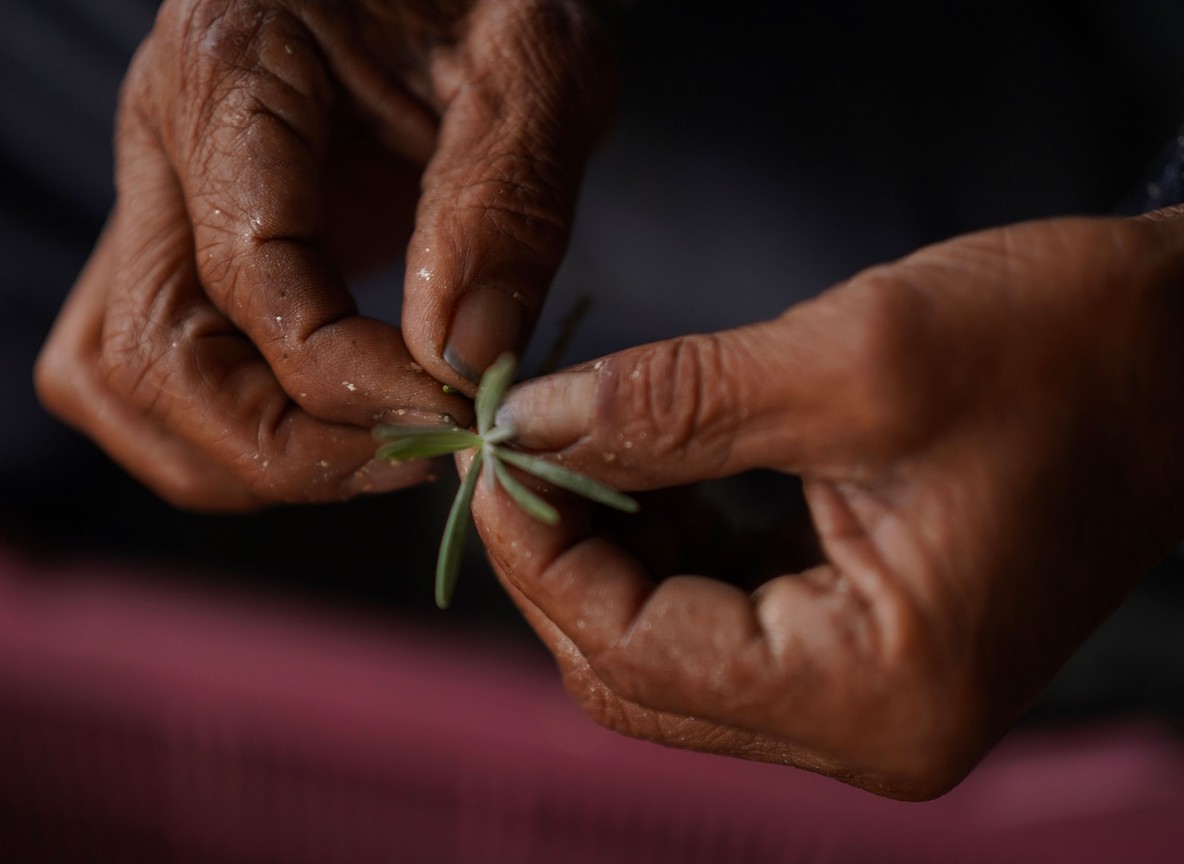
Kenya wants every visitor to leave something behind besides footprints. The One Tourist One Tree campaign asks travelers to plant a seedling during their trip. The Kenya Tourism Board has just extended it to the North Rift circuit. The launch event happened at the Eldoret Arboretum, next to the Wall of Fame that honors the region’s Olympic runners.
This is not a vague pledge. It is a concrete ask with a real place to show up and a real shovel in your hand. Below is what the campaign actually involves. You will find where in the North Rift you can take part, and how the logistics work if you want to add a tree-planting stop to a Kenya trip.
What Is the One Tourist One Tree Campaign
Kenya’s Ministry of Tourism and Wildlife launched One Tourist One Tree in 2024, first at Kajulu Forest in Kisumu County. The idea is simple. Every tourist, foreign or domestic, plants at least one tree during their visit. Hotels and tour operators build the activity into itineraries and stays.
The campaign sits inside a much bigger national target. Kenya wants to plant 15 billion trees by 2032. The goal is to lift forest cover from roughly 12 percent toward 30 percent. Tourism is one channel among many, but it is a visible one. It turns millions of annual visitors into a standing labor force for reforestation.
Kenya Tourism Board CEO June Chepkemei has pushed hotels, lodges, and tour operators to fold tree planting into guest experiences. She wants it treated as standard, not an optional extra. The North Rift extension is the clearest sign yet that the campaign is spreading beyond its pilot sites into established safari and adventure-travel circuits.
Why the North Rift, Why Now
The North Rift circuit covers Uasin Gishu, Elgeyo Marakwet, Baringo, West Pokot, and Trans Nzoia counties. It is a stretch of highland Kenya better known for producing world-champion runners than for safari lodges. Chepkemei chose the Eldoret Arboretum’s Wall of Fame as the campaign’s regional launch site on purpose. The wall lists Olympians, World Champions, and marathon greats from the surrounding towns, most of them from Iten and the Rift Valley escarpment.
Her framing was direct. If this region can produce global athletics champions, it can lead on conservation too. The tree-planting ceremony paired athletics tourism with reforestation. That gives the North Rift circuit a fresh story beyond running camps and rift-valley scenery.
Stakeholders from the hospitality sector, county governments, and local communities attended the launch. KTB is now asking every hotel and operator working the North Rift to give guests a tree-planting option somewhere in their stay, not just at the Eldoret Arboretum itself.
What Visitors Can Actually Do
Signing up is straightforward once you know where to look. Here is how to actually take part rather than just read about it.
- Ask your lodge or hotel at check-in. KTB has directed North Rift properties to offer tree planting as a standard activity. Many now keep a small nursery of seedlings on-site for guests.
- Visit the Eldoret Arboretum directly. The Wall of Fame site accepts visitor planting on request. A local tour operator or the arboretum’s management can coordinate it.
- Combine it with a running-camp visit. Iten’s training camps sit close to several community forest plots that welcome volunteer planting. Camp staff often arrange it for visiting athletes and tourists alike.
- Add a stop through a county forest office. Baringo, Elgeyo Marakwet, and West Pokot county tourism offices can point you to active reforestation sites near Kabarnet, the Kerio Valley, and the Cherangany Hills.
- Bring a group. Several North Rift camps offer a discounted or free planting session for groups of five or more. This suits school trips, corporate retreats, and running clubs.
None of this requires special equipment. Lodges typically supply the seedling, a hole already dug, and water for the first watering. The whole activity takes 15 to 20 minutes.
Where to Plant in the North Rift
The table below lists real sites across the circuit where the campaign is active or where community forestry groups regularly host visitor planting.
| Site | County | What You’re Planting Into | Best Paired With |
|---|---|---|---|
| Eldoret Arboretum (Wall of Fame) | Uasin Gishu | Indigenous and ornamental tree plots around the athletics memorial | A morning at the arboretum, Eldoret town stop |
| Kerio Valley community forest plots | Elgeyo Marakwet | Escarpment slopes prone to erosion, near the Kerio River | Kerio Valley viewpoint stops, Chebloch Gorge |
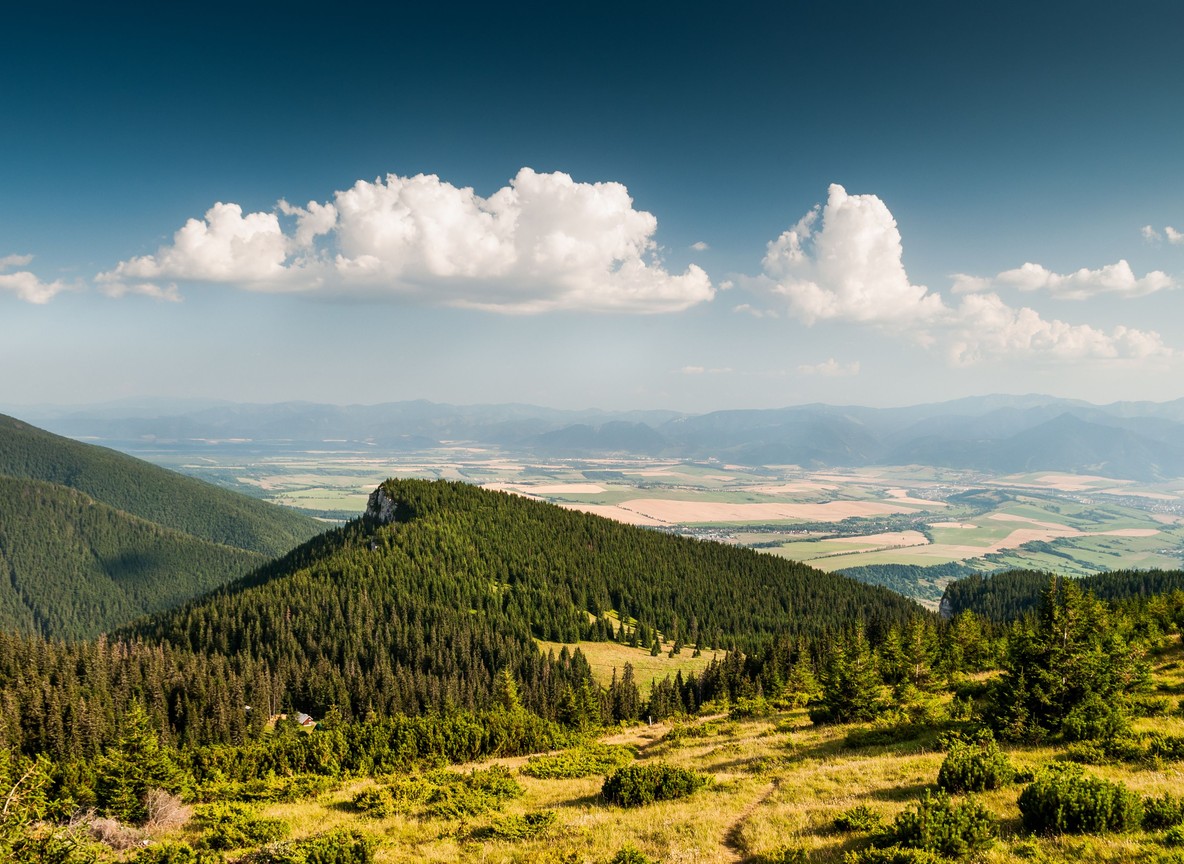
| Cherangany Hills forest reserve edges | West Pokot / Elgeyo Marakwet | Montane forest buffer zones near Kaisungor peak (about 3,370 m) | Hiking or birding day trips |
| Saiwa Swamp National Park surrounds | Trans Nzoia | Riparian tree cover near the swamp that shelters the sitatunga antelope | A half-day visit to see sitatunga and De Brazza’s monkeys |
| Lake Bogoria catchment plots | Baringo | Hillside plots feeding the lake’s watershed, above the hot springs | Lake Bogoria flamingo and geyser viewing |
Getting to the North Rift: Distances and Times
The North Rift sits north and west of Nairobi, reached by road or a short domestic flight into Eldoret International Airport (airport code EDL).
| Route | Distance | Approx. Time | Notes |
|---|---|---|---|
| Nairobi to Eldoret | ~310 km road | ~5-6 hrs drive | Scheduled flights run ~50 min, several daily departures |
| Eldoret to Iten | ~35 km | ~40 min drive | Kenya’s best-known distance-running town |
| Eldoret to Kabarnet | ~120 km | ~2 hrs drive | Gateway to Lake Bogoria and Lake Baringo |
| Eldoret to Saiwa Swamp National Park | ~75 km (via Kitale) | ~1.5 hrs drive | Smallest national park in Kenya |
| Kabarnet to Lake Bogoria National Reserve | ~55 km | ~1 hr drive | Hot springs and greater flamingo flocks |
Park and reserve entry fees change by season and residency status, so treat any figure as an indicative range only. Saiwa Swamp and Lake Bogoria both charge non-resident adult gate fees in the rough $20-25 range at present. You can pay at the gate or through the Kenya Wildlife Service e-ticketing system. Confirm current rates before you travel.
Best Time to Visit and What to Pair It With
The North Rift’s dry stretches run roughly January to March and July to September. Road travel gets easier then, and young seedlings get a better start since planting teams can water them before rains taper off. Community forestry groups still plant through most of the year, though. A tree-planting stop works on almost any Kenya itinerary that already routes through Eldoret or Kitale.
Pair a planting stop with an Iten running-camp tour, a Kerio Valley viewpoint drive, or a Lake Bogoria day trip for flamingos and hot springs. None of these add more than a couple of hours to a North Rift loop. Several lodges will fold the seedling stop into an existing game drive or hike without a separate booking.
Explorer Notes
A few things are worth knowing before you show up expecting a full program at every stop. First, not every lodge has this fully organized yet. Call ahead rather than assume a seedling and shovel will be waiting, especially at smaller guesthouses outside Eldoret and Iten. Second, community forest groups near the Kerio Valley and Cherangany Hills often welcome a small donation toward seedling costs and follow-up watering. A planted tree that dies within a month does nothing for the campaign’s goals.
Third, ask what species you are planting. Indigenous species suited to the local altitude survive far better than fast-growing exotics. Several North Rift community groups have shifted back to native trees after early exotic plantings struggled. Finally, contact a North Rift camp or county tourism office at least a week ahead if you are traveling with a running club or school group. Group sessions need more seedlings and more supervision than a solo traveler’s single tree.
What to Read Next
- Planning a trip that combines highland Kenya with the bigger safari circuits? See our North Rift and Maasai Mara combo guide.
- Curious about Kenya’s other reforestation and conservation efforts? Read our Kenya conservation initiatives guide.
- Want the full rundown on Iten and Kenya’s running-camp tourism? Check our Iten running camps visitor guide.
FAQ
What is Kenya’s One Tourist One Tree campaign? It is a Ministry of Tourism and Wildlife initiative asking every visitor to plant at least one tree during their trip. It supports Kenya’s target of 15 billion trees by 2032.
Where in the North Rift can I plant a tree? The Eldoret Arboretum’s Wall of Fame is the official launch site. Community forest plots are also active near the Kerio Valley, Cherangany Hills, Saiwa Swamp, and Lake Bogoria’s catchment.
Does planting a tree cost anything? Most lodges include the seedling and planting session as a free guest activity. Some community forest groups near the Kerio Valley and Cherangany Hills ask for a small voluntary contribution toward seedlings and watering.
How do I get to Eldoret for the campaign? Eldoret is about 310 km from Nairobi by road, roughly a 5 to 6 hour drive. A flight into Eldoret International Airport takes about 50 minutes.
Can I combine tree planting with a safari or running-camp visit? Yes. Most North Rift lodges and running camps fold a short planting stop into an existing game drive, hike, or camp tour. No separate booking is usually needed.
A single seedling will not reforest the North Rift on its own. A circuit full of visitors planting one each adds up fast, though. Visit our Tour Packages page to see how a North Rift stop fits onto a wider Kenya itinerary, or ask a partner operator to build a planting stop into your Eldoret or Lake Bogoria leg.